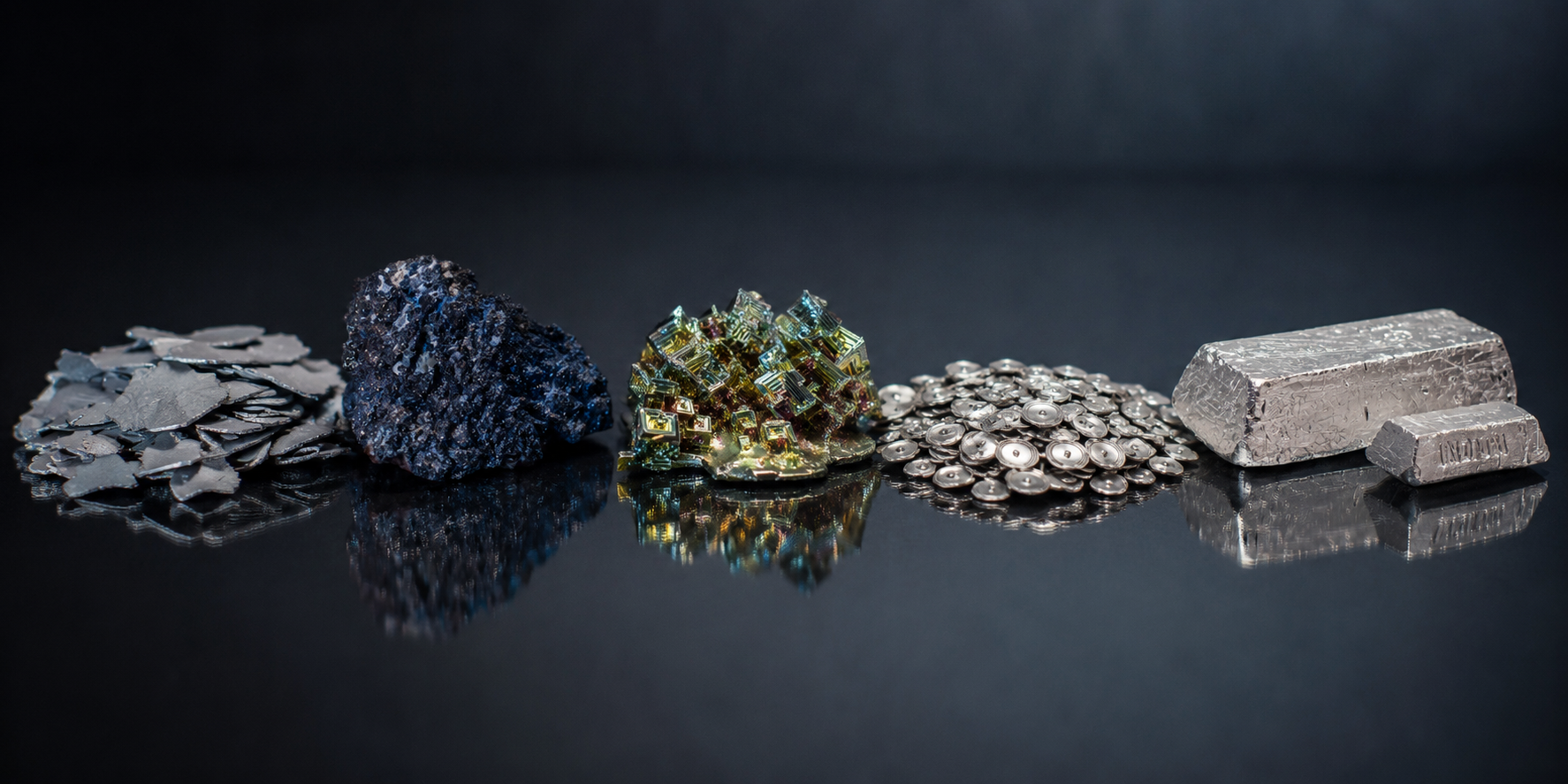
Strategic industrial metals are the invisible foundation of semiconductors, AI infrastructure, aerospace, electromobility, medical technology and defence applications. Physical. Scarce. Strategically relevant.
Modern high-tech applications require a wide range of specialised metals — often in very small quantities, but without easy substitutes. A smartphone, satellite, high-performance chip, aircraft turbine or medical device cannot be produced without a complex raw-material base.
Many of these metals occur only as by-products of other mining processes. Supply cannot simply be expanded at will, even when demand rises sharply. At the same time, industrial metals are consumed in technology products and often do not fully return to the economic cycle.
Gallium, germanium and indium are critical for high-frequency electronics, chips, sensors and AI infrastructure.
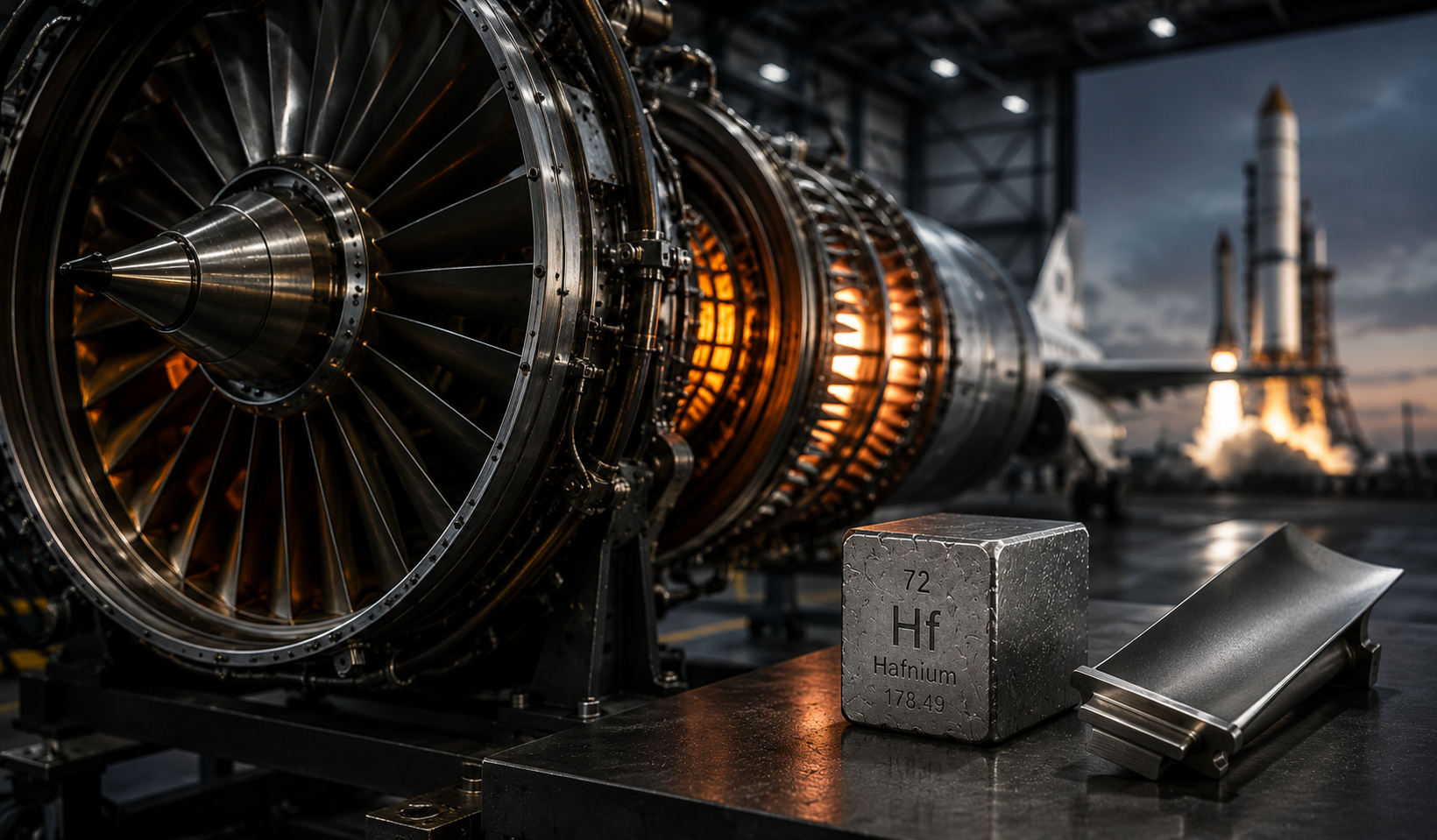
Rhenium, hafnium and iridium are used where extreme temperatures, stability and precision are required.
Radar, satellites, guidance systems and night-vision technologies depend on specialised metals.
Neodymium oxide, indium, gallium and iridium are linked to magnets, photovoltaics and hydrogen technologies.
Iridium, ruthenium and other technology metals enable durable electrodes, coatings and precision components.
Export controls and concentration of supply have turned raw materials into a geopolitical issue.
China controls significant parts of the production and processing of several key technology metals. Export licences, export restrictions and strategic prioritisation of domestic industry show how quickly supply chains can become political.
In 2023, China introduced export licensing for gallium and germanium. Exports dropped sharply, while European prices reacted immediately. For Western semiconductor, AI, defence and energy industries, these metals are no longer a niche topic — they are part of technological sovereignty.
The following metals illustrate how small and specialised markets can become strategically relevant when demand from AI, defence, aerospace, energy transition and medical technology rises.
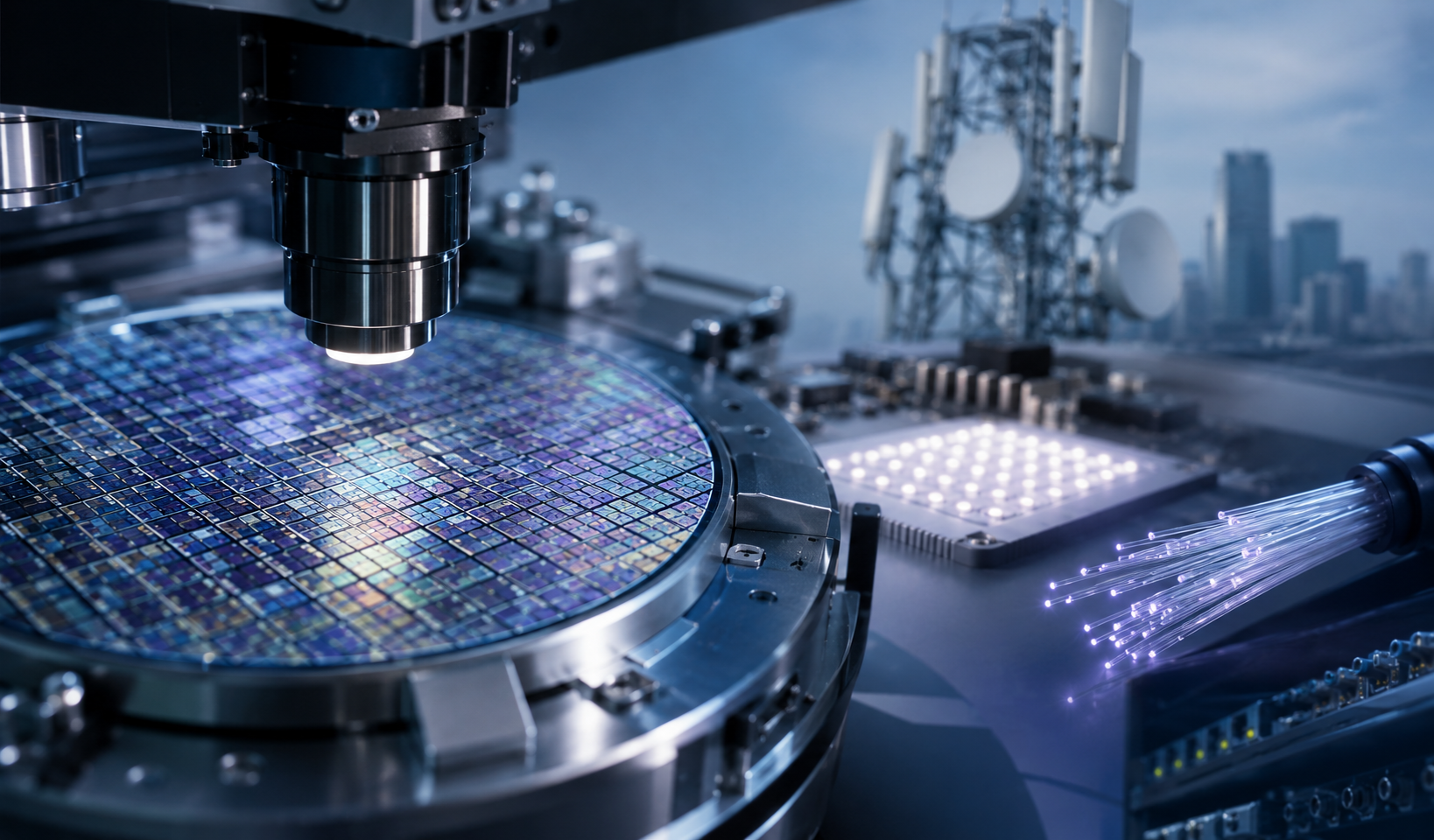
Semiconductors · 5G · radar · LEDs. These markets are small, specialised and often dependent on concentrated supply chains. This creates strategic relevance beyond ordinary commodity investing.

Displays · touchscreens · thin-film solar. These markets are small, specialised and often dependent on concentrated supply chains. This creates strategic relevance beyond ordinary commodity investing.
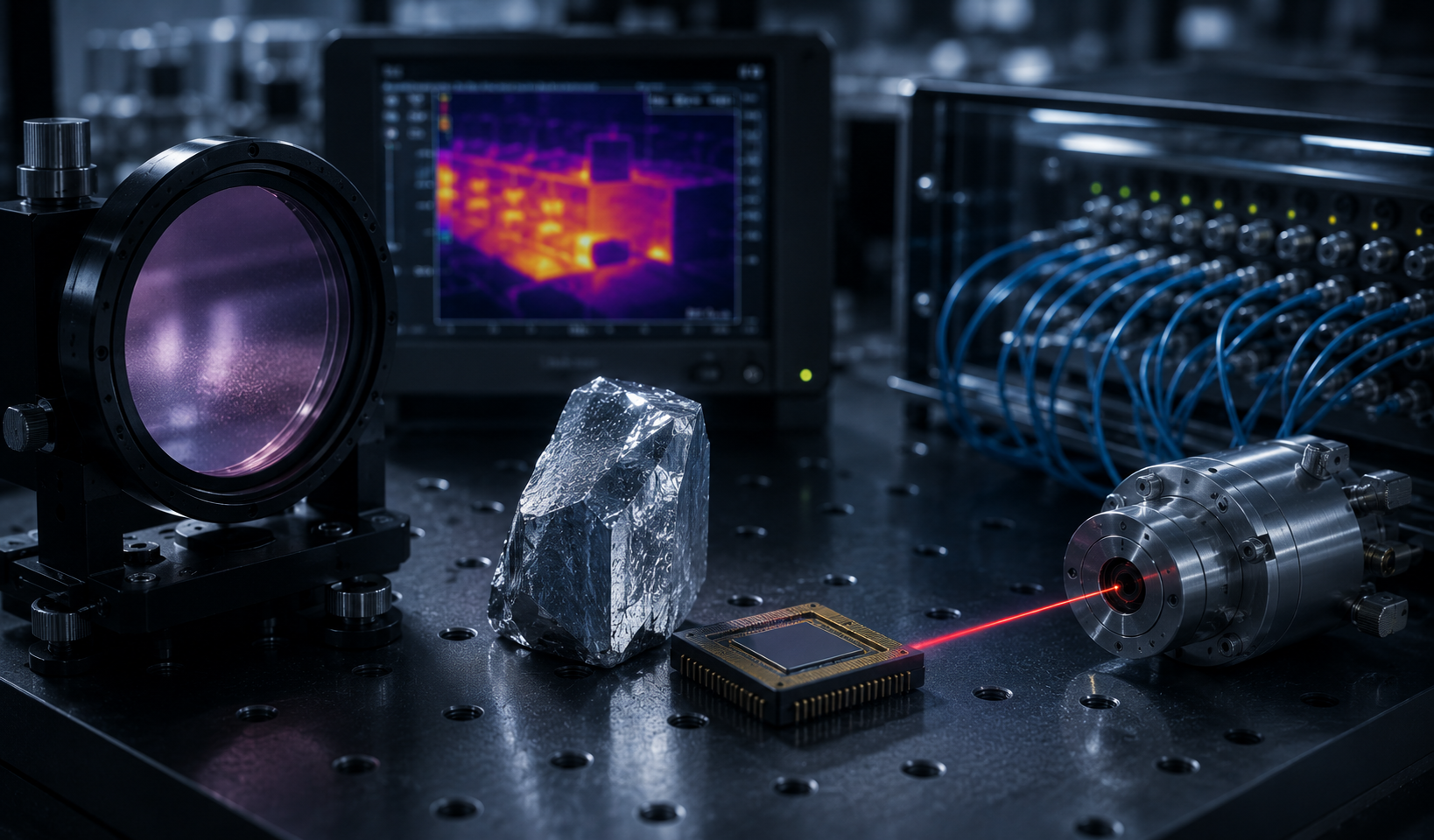
Fibre optics · infrared · night vision. These markets are small, specialised and often dependent on concentrated supply chains. This creates strategic relevance beyond ordinary commodity investing.
Microprocessors · aerospace · nuclear technology. These markets are small, specialised and often dependent on concentrated supply chains. This creates strategic relevance beyond ordinary commodity investing.
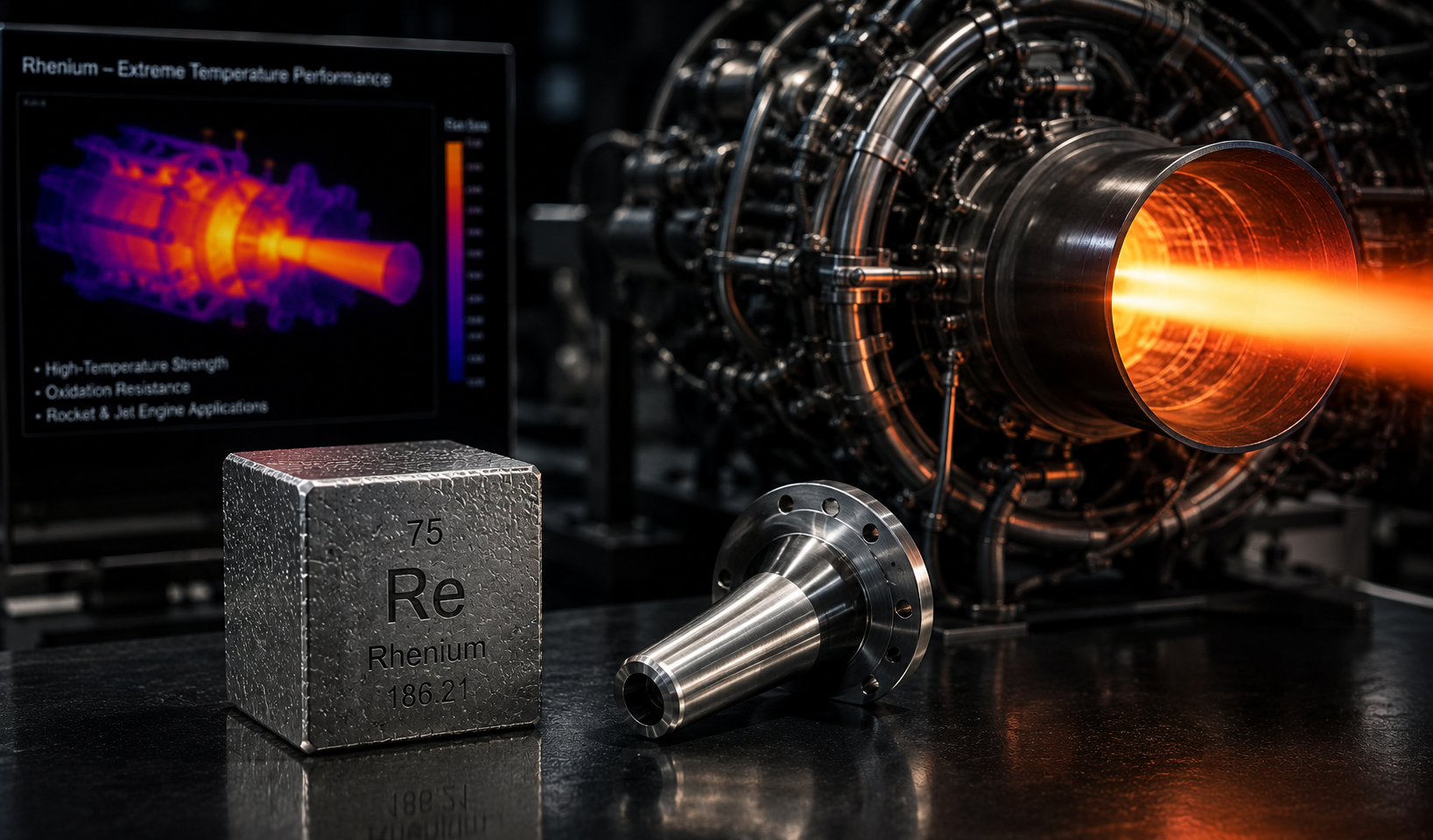
Jet turbines · superalloys · aerospace. These markets are small, specialised and often dependent on concentrated supply chains. This creates strategic relevance beyond ordinary commodity investing.
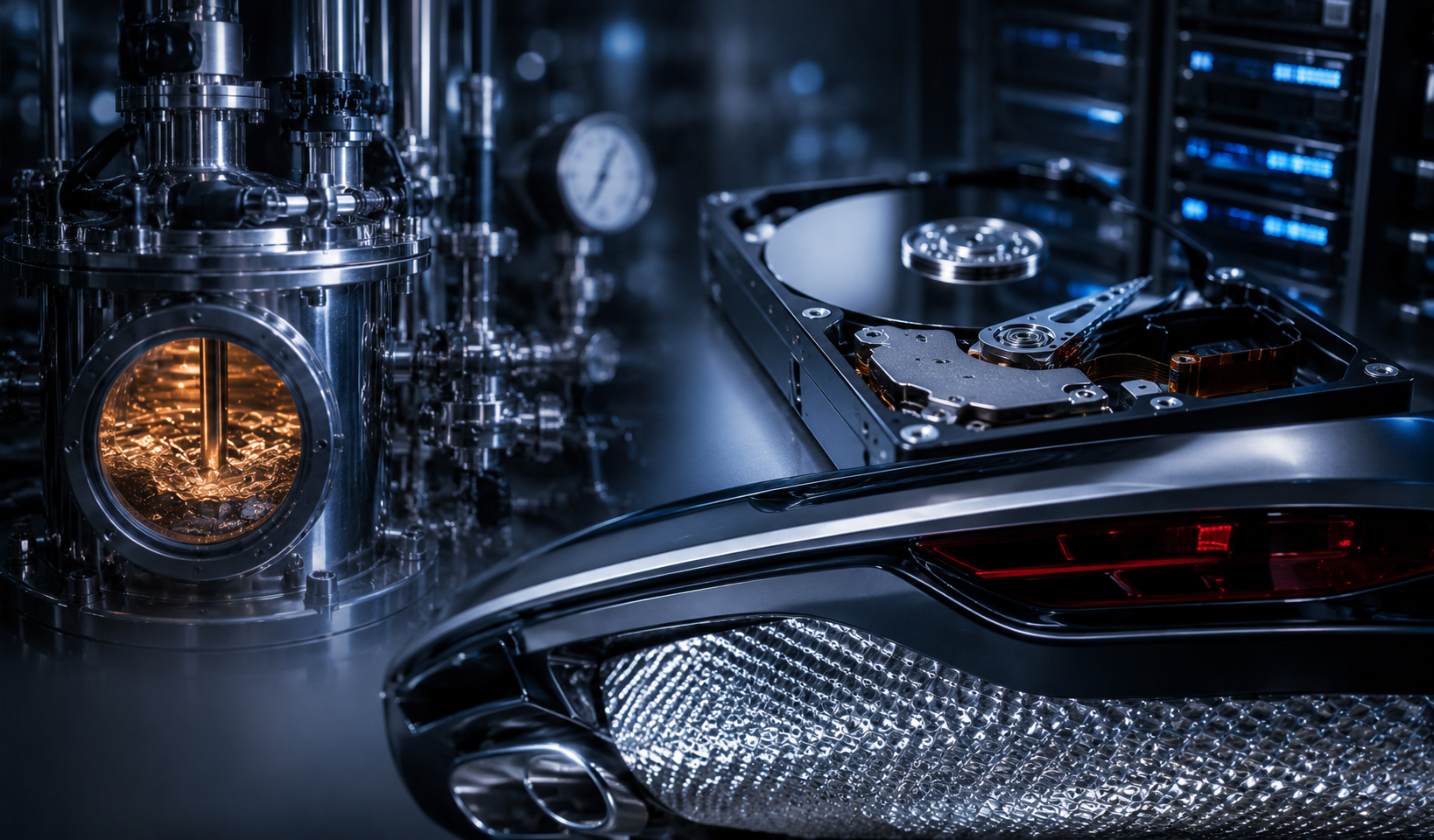
Data storage · catalysis · contacts. These markets are small, specialised and often dependent on concentrated supply chains. This creates strategic relevance beyond ordinary commodity investing.
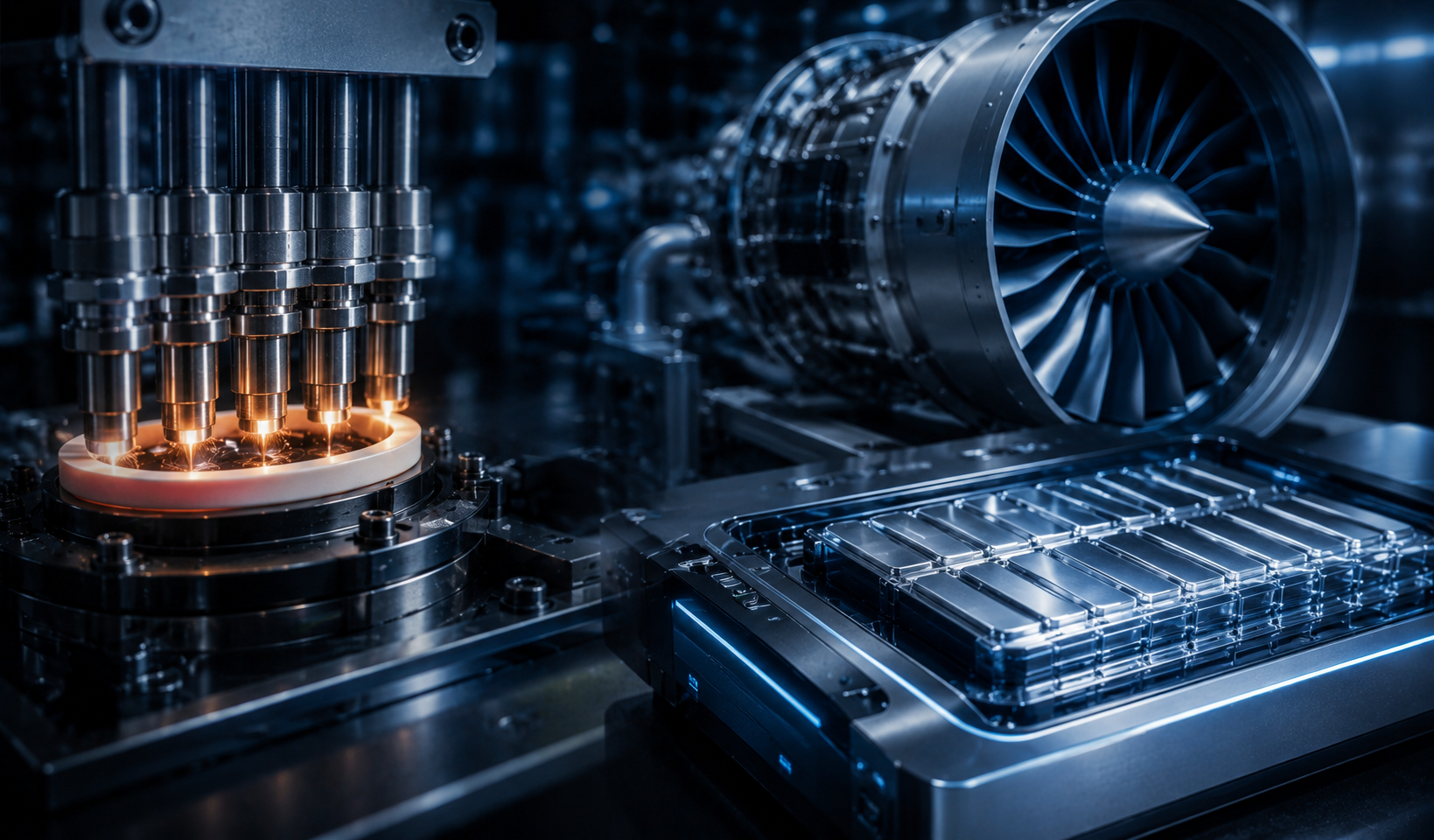
PEM electrolysis · electrodes · aerospace. These markets are small, specialised and often dependent on concentrated supply chains. This creates strategic relevance beyond ordinary commodity investing.
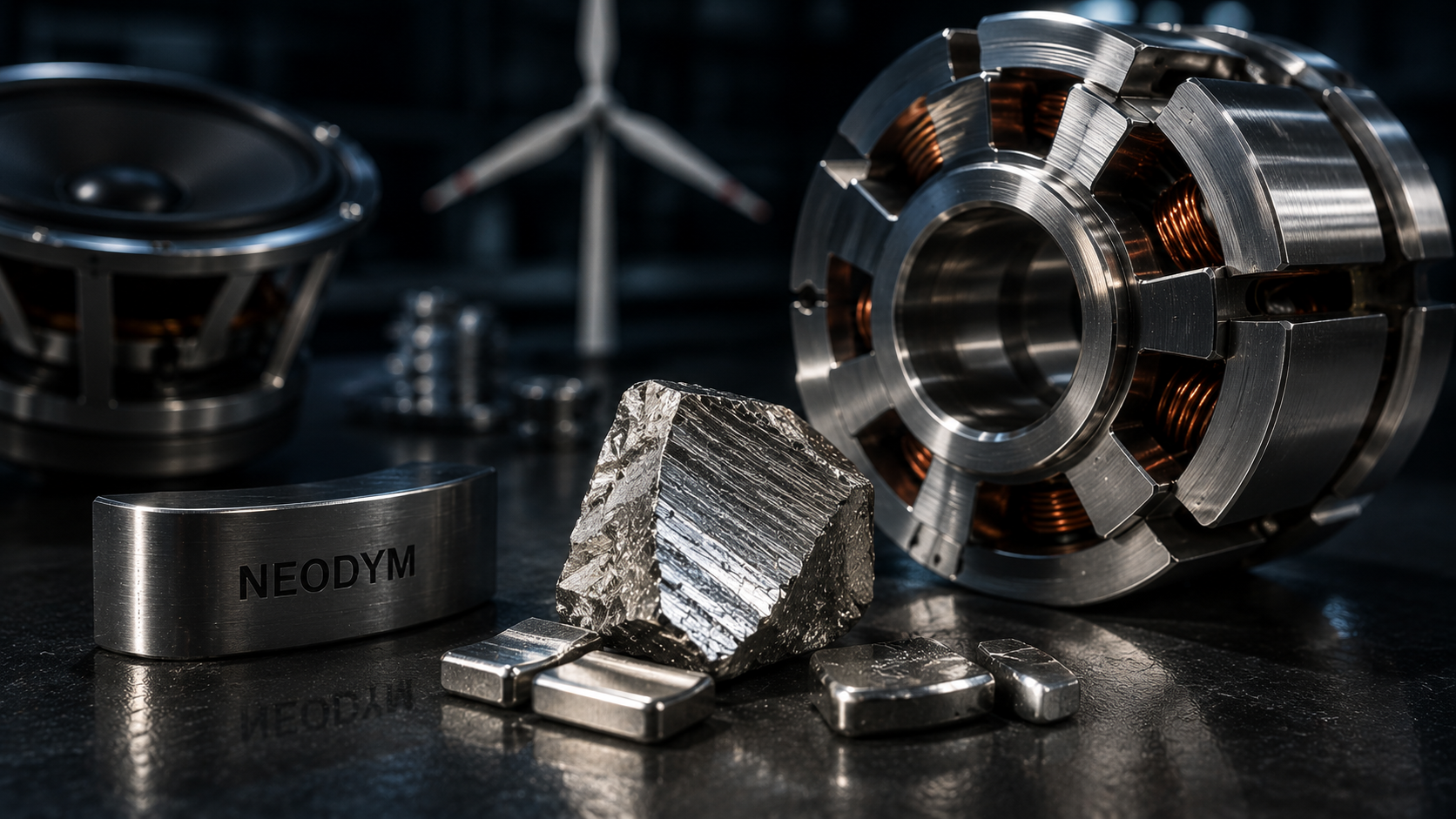
Electric motors · wind power · robotics. These markets are small, specialised and often dependent on concentrated supply chains. This creates strategic relevance beyond ordinary commodity investing.
Gallium production is only around 760 tonnes per year, with China controlling a dominant share. Iridium production is estimated at only around 7–8 tonnes per year, while demand from PEM electrolysis could rise substantially by 2040. Hafnium and neodymium oxide may also face significant demand growth in key technologies.
Dominated by China; essential for semiconductors, 5G, radar and power electronics.
One of the scarcest industrial metals; relevant for electrodes and PEM electrolysis.
Potential demand growth in high-temperature, semiconductor and defence applications.
Magnets for electric motors, wind turbines and robotics drive demand.
We explain the opportunities, risks, storage logic, liquidity aspects and the role of these metals in a broader asset-protection strategy.
Request a personal consultation