Rubies, sapphires, emeralds and tanzanites in investment grade. Rarer than gold. Mobile. Physically stored in Liechtenstein — outside the EU, outside the banking system.
In 2021, more than 3,000 tonnes of gold were mined worldwide. Of the “Big Three” colored gemstones — ruby, sapphire and emerald — the amount was just under 600 kilograms. And only 2 to 3 percent meet the criteria for investment grade — roughly 15 kilograms worldwide per year.
Rubies are the clearest example: worldwide, there is now only one active mine producing rubies in investment grade. What is still available today may be history tomorrow.
Market returns of 4 to 7 percent per year over 20 years are an average. Investment stones of true top quality have risen significantly more. And large stones — as accessible through pooled custody — have increased above average again. Rarity has a multiplied effect in large stones.
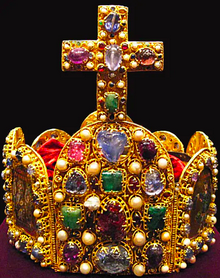
Colored gemstones have always been humanity’s most compact store of value. Kings, rulers and dynasties concentrated wealth in the smallest space — portable, imperishable and barely reachable by the state. That has not changed to this day.
When no more colored gemstones in investment grade are found in a mining area, significant price jumps occur — supply is permanently limited while demand continues to rise.
The Mogok mine in Burma produced exceptional rubies until the late 1990s — including the legendary “Pigeon Blood Red”. When the mine was exhausted, prices rose massively. Anyone who bought an investment-grade ruby from this region in the mid-1990s today owns a stone whose value has multiplied sevenfold.
“If, for example, you bought an investment-grade ruby from the Burma region in the mid-1990s, your invested capital has multiplied sevenfold by today.” — Leading European gemologist
Neither quality nor value are determined internally. External, independent experts determine both — separately from each other to avoid conflicts of interest. The result: complete transparency for the investor.
Exclusively from verified partners directly at the mines — UN guidelines, human rights charter. External highly qualified gemologists accompany every purchase.
Each stone is assessed according to CIBJO standards by a recognized laboratory — with qualified specialists and a standardized process.
DSEF · GRS · SSEF
A sworn IHK expert determines the current retail replacement value. This value forms the basis for a fair, transparent price.
Only with both documents — laboratory report and valuation — can a buyer be sure of having acquired investment grade at an appropriate price.
A 3-carat sapphire for €3,000 — whether online or from a dealer — is certainly not an investment sapphire. Such a stone in investment grade currently costs around €30,000. Cheaper stones have been heated, irradiated or chemically treated — and are not suitable as a store of value.
Focus on four gemstones — each from the best available countries of origin where investment grade can still be found. An investment colored gemstone is naturally perfect and requires no further treatment apart from cutting and polishing. The only exception: emeralds may be lightly oiled, as natural fissures otherwise make optimal cutting impossible.
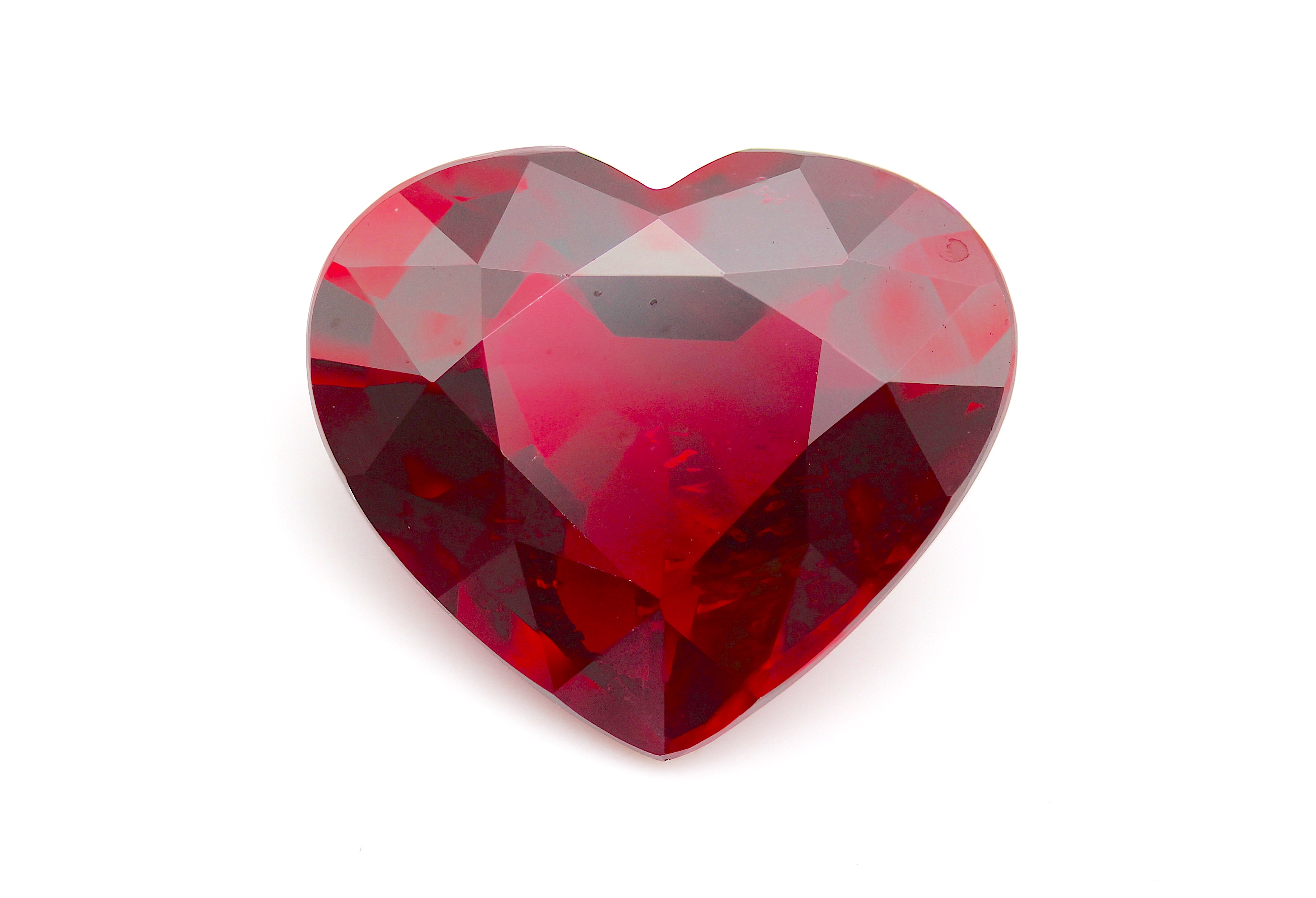
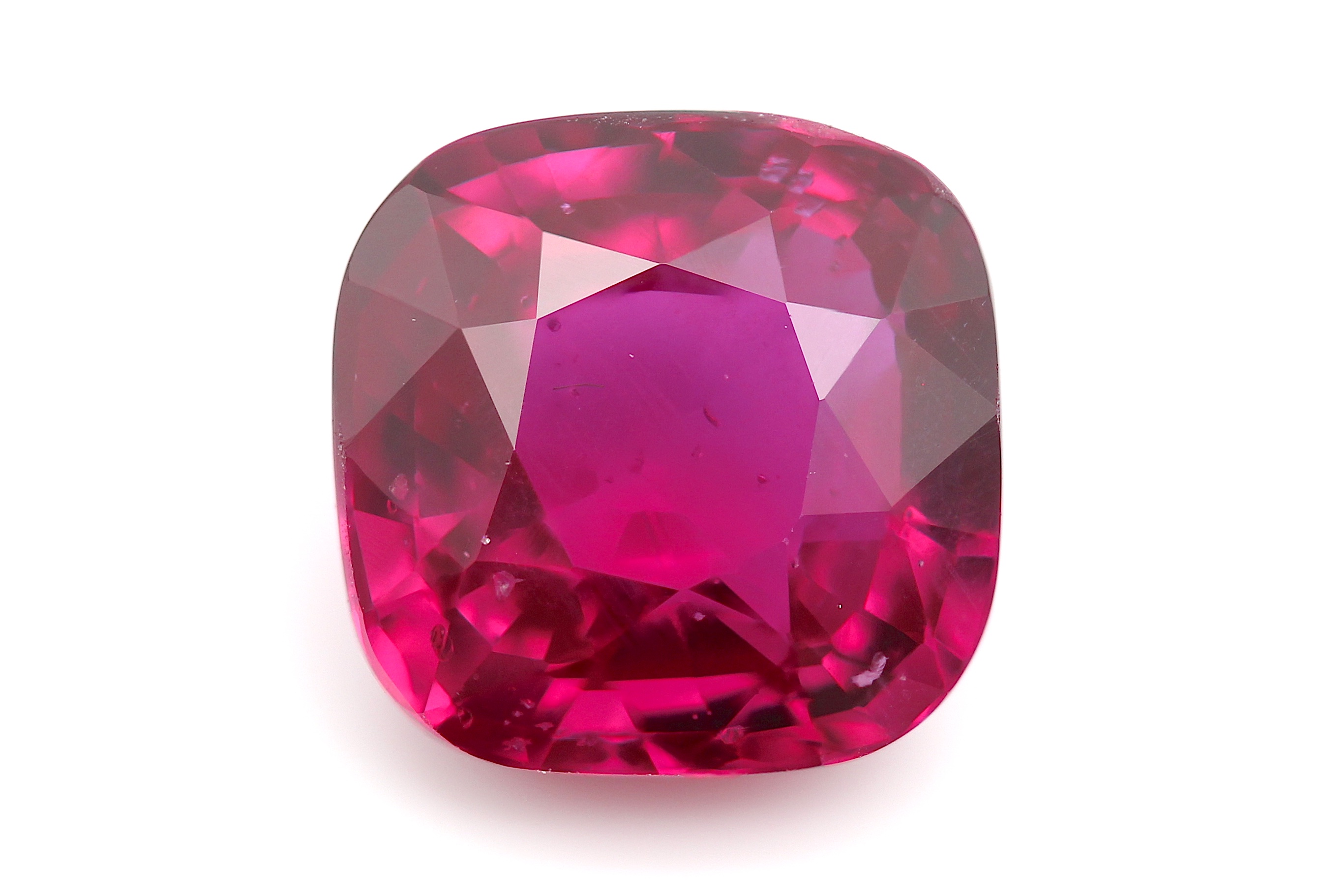
The rarest of the four stones. Worldwide, only one active mine remains for investment-grade rubies. Mogok rubies from Burma are considered the historical reference — this mine is exhausted, prices have multiplied sevenfold.
From 1.0 carat
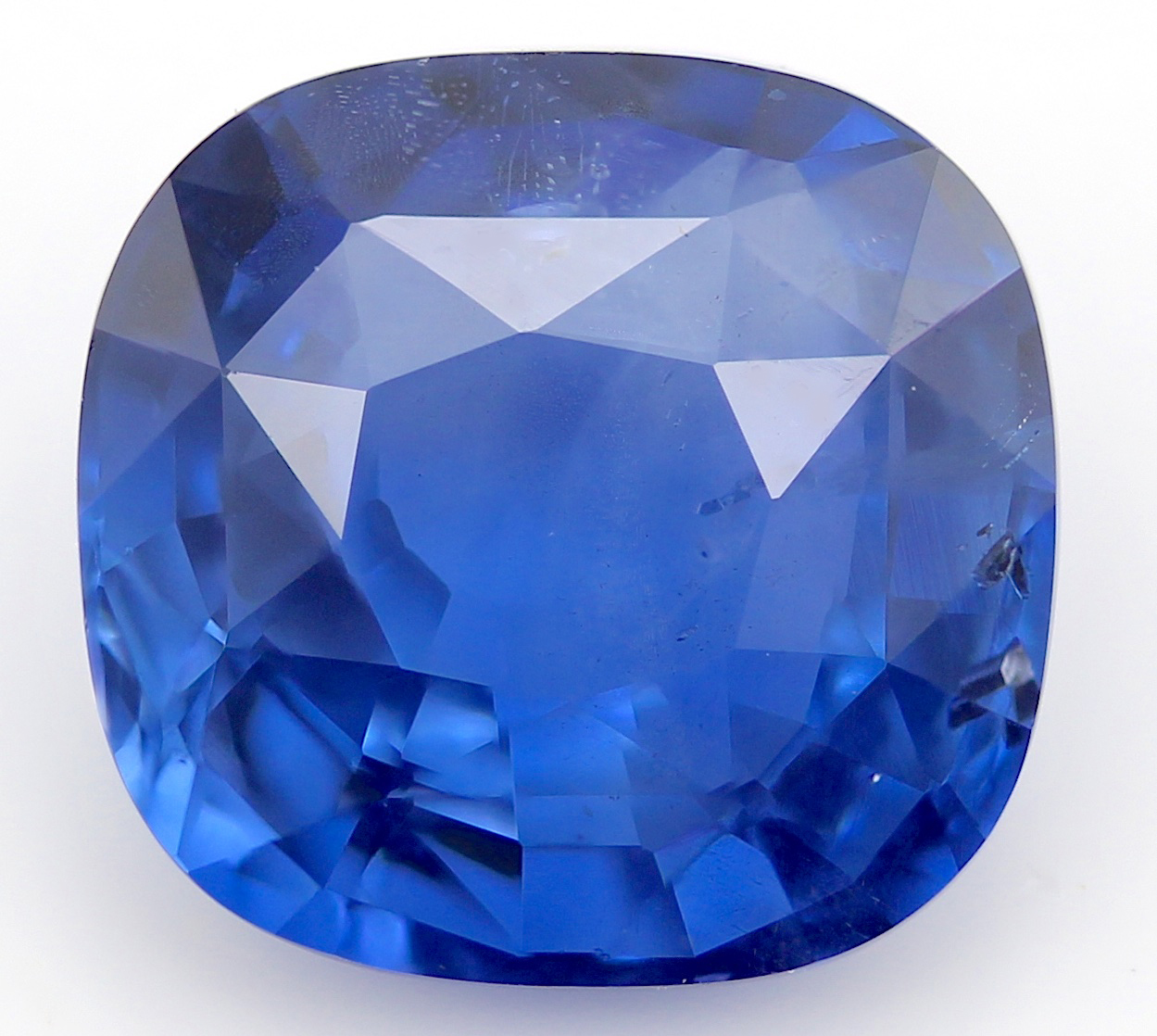
The finest blue sapphires in investment grade. Occasionally also yellow specimens. Minimum weight from 2.0 ct.
From 2.0 carats
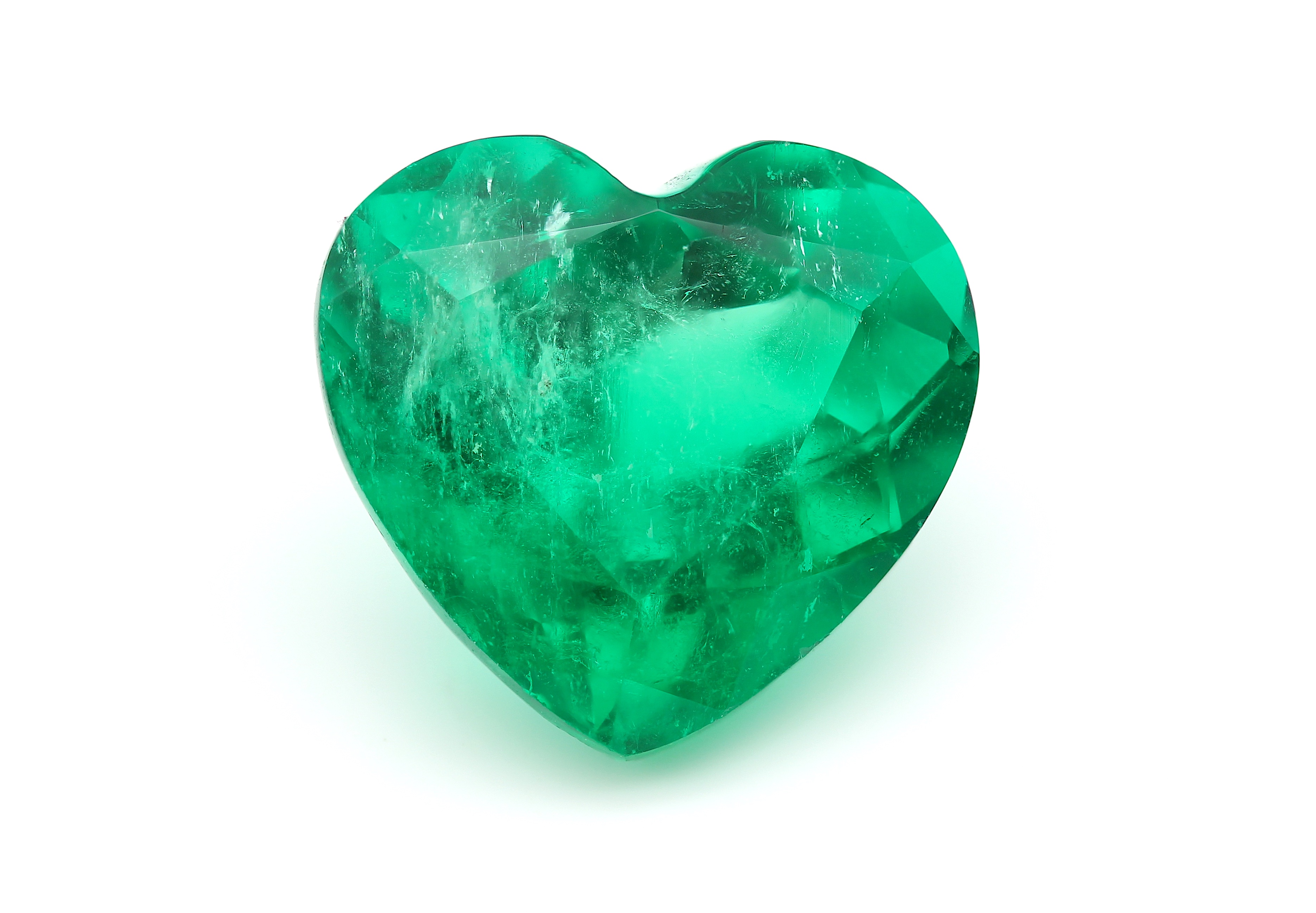
Colombia is the first address for investment emeralds. Light oiling is the only permitted treatment — naturally required and accepted by recognized laboratories.
From 1.5 carats
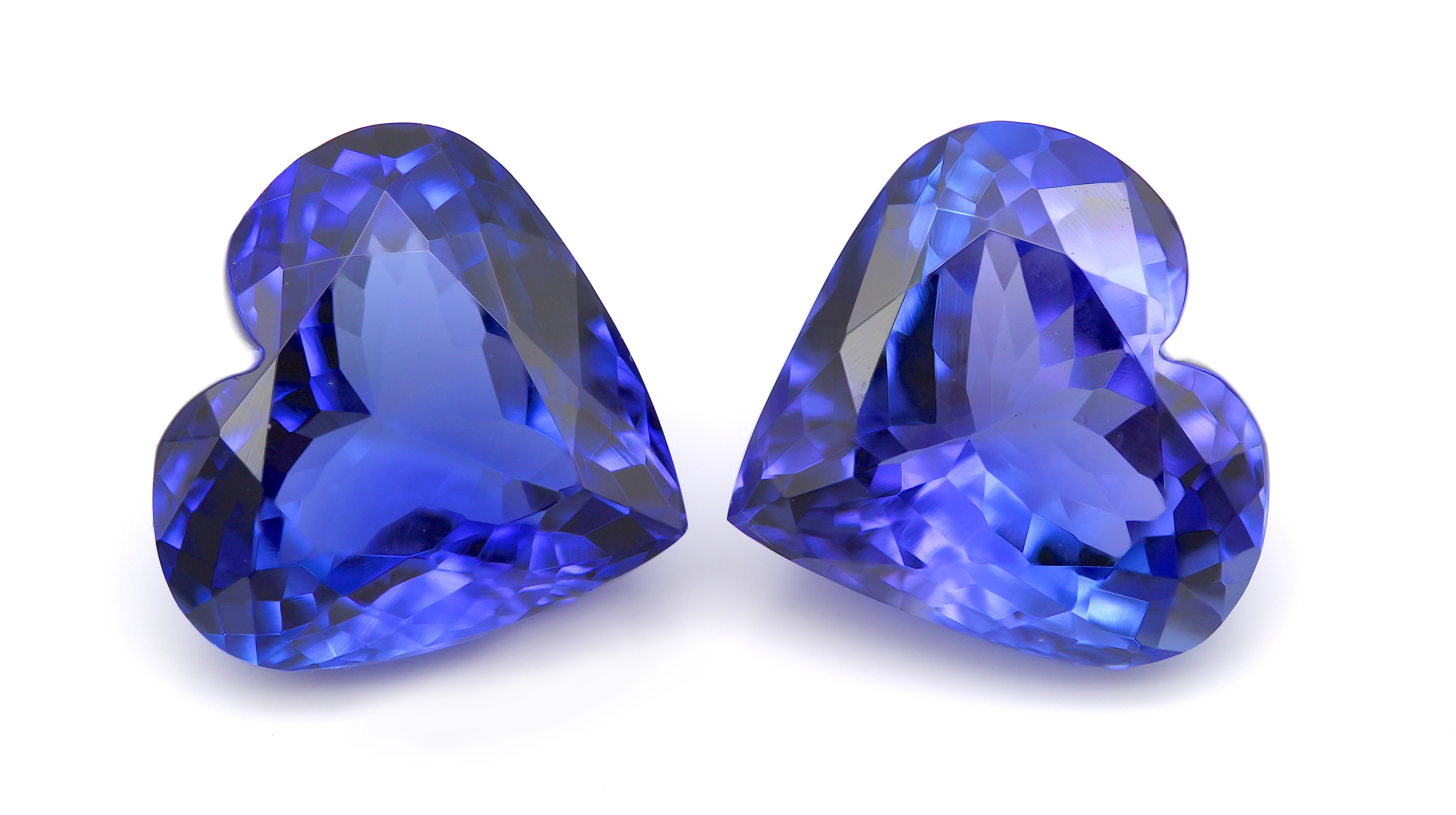
The hidden champion. Mined in only one place worldwide — once this region is exhausted, there will simply be no more.
From 4.0 carats · Tanzania onlyAll stones are stored in Liechtenstein — outside the EU, in one of the safest and most regulated financial centers in the world. A decisive tax advantage: VAT is deferred — the full investment amount flows into the stone. It is only due upon physical delivery.
No sales pressure. Real information. The managing director personally explains which stones and which access route fit your situation.
Request a meeting →