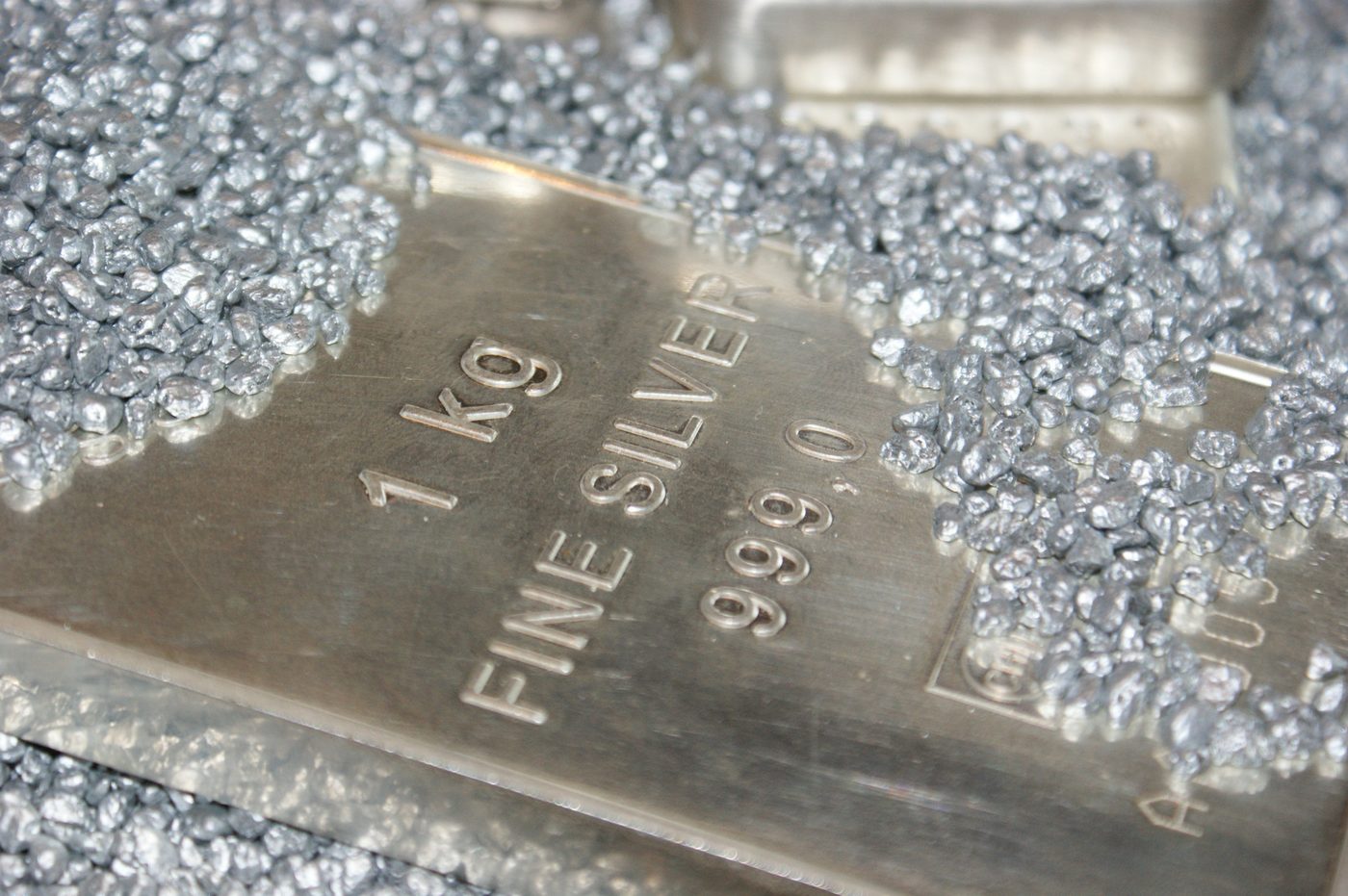
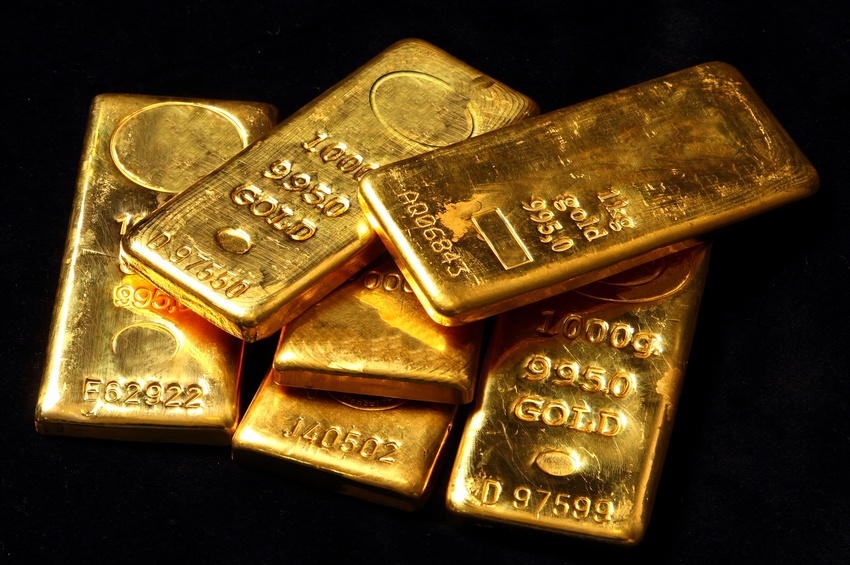
For 2,500 to 6,000 years, the only currencies that have never lost their value. Physically stored. Outside the banking system — and outside the EU. Accessible to everyone.
Gold and silver are not primarily a means of exchange for the crisis itself — they preserve and transfer purchasing power through the crisis. Hyperinflation in 1923: one trillion Reichsmarks were worth less than a loaf of bread. Those who held gold did not lose purchasing power — and could fully realize it in the new currency after the crisis. 1929, 2001, 2008: gold was on the right side.
Within the EU, assets can be reached — through bans, seizure or high taxation. Those who understand the risks deliberately choose the right legal framework — thinking not in headlines, but in legal structures. A Liechtenstein fund structure means: you hold investment fund units that are 100% backed by physical metal — but within a clearly defined legal framework outside the EU. That is the difference between real protection and false hope.
Silver is both a precious metal and a strategic industrial raw material — indispensable for photovoltaics, electronics and electric mobility. Since 2021, total global silver demand has exceeded worldwide supply every year. 2026 will be the sixth deficit year in a row. A historically unique moment.
€100 held in a savings account from 2002 has around €40 of purchasing power today. The same €100 invested in Gold today: around €1,250 in purchasing power. The same €100 invested in Silver today: around €1,275 in purchasing power. This is no coincidence — it is substance against paper money. Both metals. Different characteristics — the same logic.
What real equivalent value did 1 gram of gold have? Based on data from Thomson Financial Datastream, more than 120 years show: while paper currencies massively lost purchasing power, gold preserved its real purchasing power — and at times increased it significantly.
| Year | Butter (kg) | Milk (liters) | Rye bread (kg) | Historical context |
|---|---|---|---|---|
| 1900 | 1,49 | 14,3 | 12,5 | Stable gold standard |
| 1914 | 1,10 | 11,1 | 10,0 | World War I — break with the gold standard |
| 1923 | 0,50 | 10,0 | 5,9 | ⚠ Hyperinflation — real value still preserved |
| 1950 | 0,90 | 14,3 | 11,1 | Post-war period, new Deutsche Mark |
| 1970 | 0,57 | 5,9 | 3,3 | Before the end of Bretton Woods in 1971 |
| 1990 | 2,60 | 16,7 | 5,9 | Reunification, stable phase |
| 2008 | 6,70 | 33,3 | 8,3 | ⬆ Financial crisis — gold purchasing power explodes |
| 2010 | 7,90 | 56,9 | 13,0 | Gold price peak of that era |
| 2020 | 5,11 | 37,5 | 9,57 | COVID — gold again as a safe haven |
The insight: Gold does not rise — paper money falls. In crises, wars and after currency reforms: gold preserves real purchasing power. Those who owned one gram of gold in 1900 and in 2010 could buy a similar amount of real goods with it. No savings account, life insurance or fund can prove that over 120 years.
The same principle — several building blocks. Our approach is not limited to gold and silver. It follows one logic: substance instead of paper promises — in different forms that complement each other.
More than 2,500 years of documented purchasing power preservation. Humanity’s oldest and most reliable measure of value — outside the EU, in the right legal framework.
Similar historical characteristics to precious metals: physical rarity, millennia-old preservation of value, barely reachable by the state — and more portable than almost any other real asset.
No centuries-long track record — but structural scarcity and indispensable industrial demand as a solid foundation. Physical, tangible, outside the financial system.
No century-long comparison possible — but real company values instead of stock market speculation. Real economy, real earnings. Outside daily market fluctuations.
Source purchasing power table: WirtschaftsWoche / Thomson Financial Datastream · Own presentation
The idea of buying gold and storing it at home is understandable. But in several respects it is costly, risky — and short-sighted. Here are the facts.
Many think: “I buy anonymously, store it at home, nobody knows.” In several respects, this is short-sighted:
Asset registers are coming: Registers are being built at national level or through EU requirements. Anyone who does not report commits an offence. The majority will not be able to avoid it.
Every gold holding must eventually return to currency: At the latest when selling — whether to a dealer or a bank — it becomes visible. The alternative: the black market with massive discounts of 30–50% and significant legal risks.
Purchase receipt — important today, decisive tomorrow: Even today, some dealers buy back gold only with proof of purchase. If a tax on gold gains is introduced in future — as discussed in several EU countries — the following applies: with a purchase receipt, only the gain is taxed. Without a receipt, possibly the entire proceeds. This is not yet fixed — but anyone buying without proof today carries the risk tomorrow.
The solution: Store gold legally, documented and physically outside the EU — with institutional providers who transfer the equivalent value directly to your account in valid currency when sold. Complete documentation, certified authenticity, clear purchase receipt. A physical delivery claim — the actual delivery of the metal — exists at all times. In practice, this triggers shipping costs, possible VAT and customs duties. The right exists — most investors use cash settlement.
Silver is around 60% industrial metal — making it less vulnerable to state intervention than gold. At the same time, silver has industrial momentum that gold does not. And when buying locally, the price argument is clear.
2025: historic turning point. Since 2021, industry has absorbed more demand than supply every year — a structural deficit — supply is no longer sufficient to meet both industrial and investor demand.
Indispensable for the energy transition. Photovoltaics, electric mobility, semiconductors, medical technology — modern industry does not function without silver. Demand is structurally increasing, supply is limited.
Historically undervalued. Historically, the gold-silver ratio is around 15:1 — today it is above 80:1. Silver has structural catch-up potential relative to gold.
Deeper in webinars. The silver momentum is a topic of its own — we go deeper into it in webinars and personal conversations.
Not as an ETF, not as a certificate, not as a promise on paper. Your metal is physically stored in your name — in countries outside the reach of European regulation. Each location has its own strengths.
No sales pressure. Real information. We show you which location and denomination fit your situation — and how to start most efficiently.
Request a meeting →